Structured Process.
The Tarloven assessment methodology is a seven-stage process, each stage producing a documented output. The process applies to all service pathways: standard dietary assessment, variant system (plant-based or keto), and supplement formulation review.

Dietary Baseline Record
The initial stage establishes a precise dietary baseline. A structured food frequency questionnaire — spanning macronutrient distribution, meal timing patterns, gut health-relevant food frequency, and total caloric intake — is completed by the individual and reviewed against the goal profile. This forms the foundational document from which all subsequent protocol stages are derived.
The baseline record includes 17 tracked nutritional variables: total daily caloric intake, protein gram target, carbohydrate distribution, healthy fats ratio, dietary fibre quantity, omega-3 intake estimation, hydration frequency, meal timing windows, and nine micronutrient categories relevant to men's health nutrition in the 30+ cohort.
- — Dietary baseline document
- — 17-variable nutritional record
- — Goal profile alignment map
Macronutrient Ratio Modelling
Using the dietary baseline, the macronutrient allocation is modelled against the stated goal — muscle-building diet construction, body recomposition, weight loss diet for men, or sustained performance output. Carbohydrate-to-fat ratio, protein gram target, and calorie surplus or deficit band are calculated and documented.
Carbs for muscle building are assigned predominantly to the peri-workout window. Fat allocation is weighted toward omega-3 and monounsaturated sources. Protein is cross-referenced against lean body mass and distributed across 4–6 daily eating occasions based on the individual's schedule record.
- — Macronutrient ratio document
- — Calorie target band
- — Protein gram schedule
Meal Plan Construction
A structured 7-day meal plan is constructed against the macronutrient ratio model. The plan includes batch cooking sequences for meal prep for men — a schedule for preparing the week's protein and carbohydrate sources in a single or double batch session. Healthy recipes for men are indexed by macro density, preparation time, and ingredient substitutability.
The meal plan document specifies portion sizes by weight (grams), not visual estimates. An ingredient substitution index allows equivalent nutritional outcomes when specific foods are unavailable.
- — 7-day meal plan document
- — Batch prep schedule
- — Ingredient substitution index
Micronutrient Gap Analysis
The dietary record is cross-referenced against standard nutritional benchmarks for men 30+ across nine micronutrient categories: zinc, magnesium, vitamin D3, vitamin B12, selenium, iron, omega-3 (EPA/DHA combined), CoQ10, and vitamin C. Each category receives a gap rating — sufficient, marginal, or deficient — based on the food frequency record.
The gap analysis generates a whole-food correction list first. Where whole-food correction is insufficient given the individual's dietary constraints, the nutritional food-supplement formulation assessment is initiated in Stage 5. Vitamin D and zinc, magnesium for men, and omega-3 for men are the most frequently identified gap categories in the Tarloven archive.
- — Micronutrient gap record
- — Whole-food correction list
- — Supplement formulation trigger
Supplement Formulation Review
Where the micronutrient gap analysis identifies a deficient or persistently marginal category, the Tarloven supplement formulation review is conducted. Ingredient profiles within the Tarloven supplement range are selected based on published nutritional research and undergo independent batch verification for quality and labelling accuracy.
Active ingredients are sourced from documented suppliers, with each batch accompanied by a certificate of composition. Sourcing prioritises suppliers whose facilities maintain food-grade processing standards. We recommend speaking with a qualified wellness or nutrition professional before introducing any supplement to your daily routine, particularly if you have specific dietary requirements.
- — Batch verification record
- — Certificate of composition
- — Formulation integration note
Revision Cycle — 30-Day & 60-Day
The 90-day protocol window includes two structured revision cycles. At 30 days, the dietary record is reviewed against adherence data from the individual's food log. Macronutrient allocation is adjusted where significant deviation from the model is recorded. At 60 days, a secondary review updates the meal plan and recalculates the protein gram schedule based on any changes in training load or body composition trajectory.
Each revision is assigned a revision number (e.g., R01-2026, R02-2026) and archived within the individual's profile record. The revision document includes a change summary, updated target bands, and a note on any variant pathway adjustments.
- — Revision document R01
- — Revision document R02
- — Updated protocol record
90-Day Summary Archive Entry
At protocol conclusion, a summary archive entry is produced. The document consolidates the baseline record, macronutrient ratio model, meal plan, micronutrient gap analysis, supplement formulation review (if applicable), and both revision cycle records into a single reference document. The archive entry is numbered and filed in the Tarloven profile archive.
The summary archive entry serves as the foundation for any subsequent protocol engagement. It records objective indicators, dietary adherence rate, and goal profile progression status. The 94% protocol completion rate across the Tarloven archive reflects the documentation-first approach — every outcome, whether fully aligned or partially deviated, is recorded rather than discarded.
- — 90-day summary document
- — Archive entry (numbered)
- — Protocol extension option
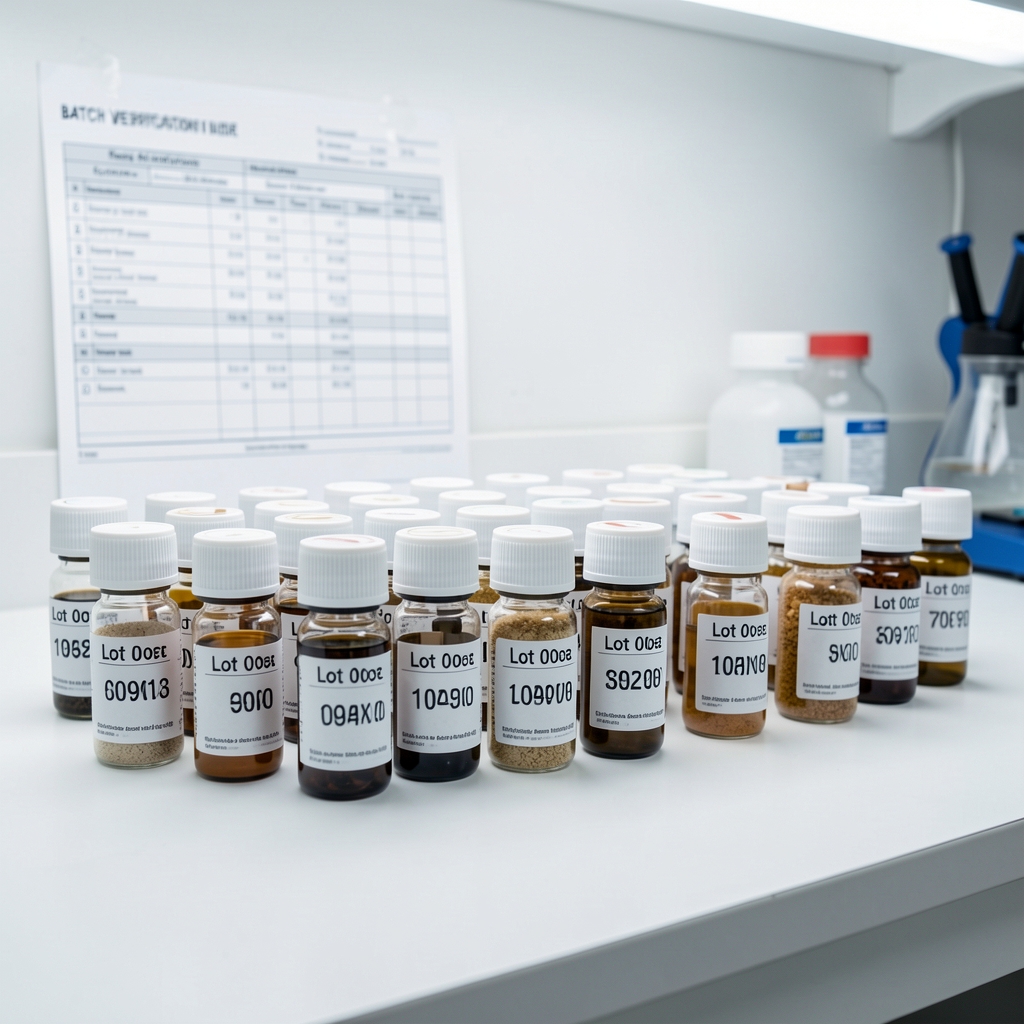
Ingredient traceability. Batch documentation. Independent verification.
The sourcing methodology for Tarloven nutritional food-supplements follows a documented chain-of-custody model. Each raw material lot is received with a supplier-issued origin certificate specifying the named region of production, lot identification number, and compositional declaration.
Upon receipt, raw materials enter a quarantine record period. No material enters production without an accepted compositional review. The quarantine record is filed alongside the corresponding purchase certificate and archived at batch level.
Post-production batch verification is conducted by an independent laboratory. Results are compared against the labelled compositional declaration. Any batch producing a result outside the accepted variance range is rejected and removed from the supply chain. The certificate of composition from the independent laboratory is retained in the batch archive and available upon formal request.
Named-Region Origin
Each ingredient supplier is evaluated by documented origin designation. Sourcing prioritises materials from regions with established production histories for the relevant ingredient category. Region data is recorded at the lot level within the chain-of-custody archive.
Food-Grade Processing Standards
Supplier facilities are evaluated for food-grade processing standards. New suppliers are reviewed against published facility documentation before any initial material request is placed. Ongoing supplier records include an annual review cycle.
Compositional Declaration
Every raw material receipt is accompanied by a supplier-issued certificate of analysis specifying elemental composition, lot identification, and production date. This document is retained in the Tarloven sourcing archive and cross-referenced at the batch verification stage.
Quarantine & Acceptance Record
All incoming material enters a documented quarantine period. Acceptance is conditional on compositional review completion. The acceptance record specifies the reviewing specialist, date, lot number, and review outcome. Rejected lots are recorded in the archive and excluded from production.
Independent Laboratory Verification
Post-production verification is conducted at an independent laboratory. Testing parameters include elemental concentration for zinc, magnesium, D3, B12, selenium, and omega-3 (EPA/DHA) against the labelled compositional declaration and accepted variance tolerance.
Document Retention
All sourcing, quarantine, acceptance, production, and verification records are maintained in the Tarloven batch archive with revision-numbered filing. Records are available upon formal written request. Archive depth: batch TL-2022-001 through current production lot.
Request Archive Documentation