Nutrition
as Method.
A structured dietary intelligence system calibrated for men navigating their thirties and beyond. Macronutrient protocols, meal preparation frameworks, and metabolic analysis — documented with precision.
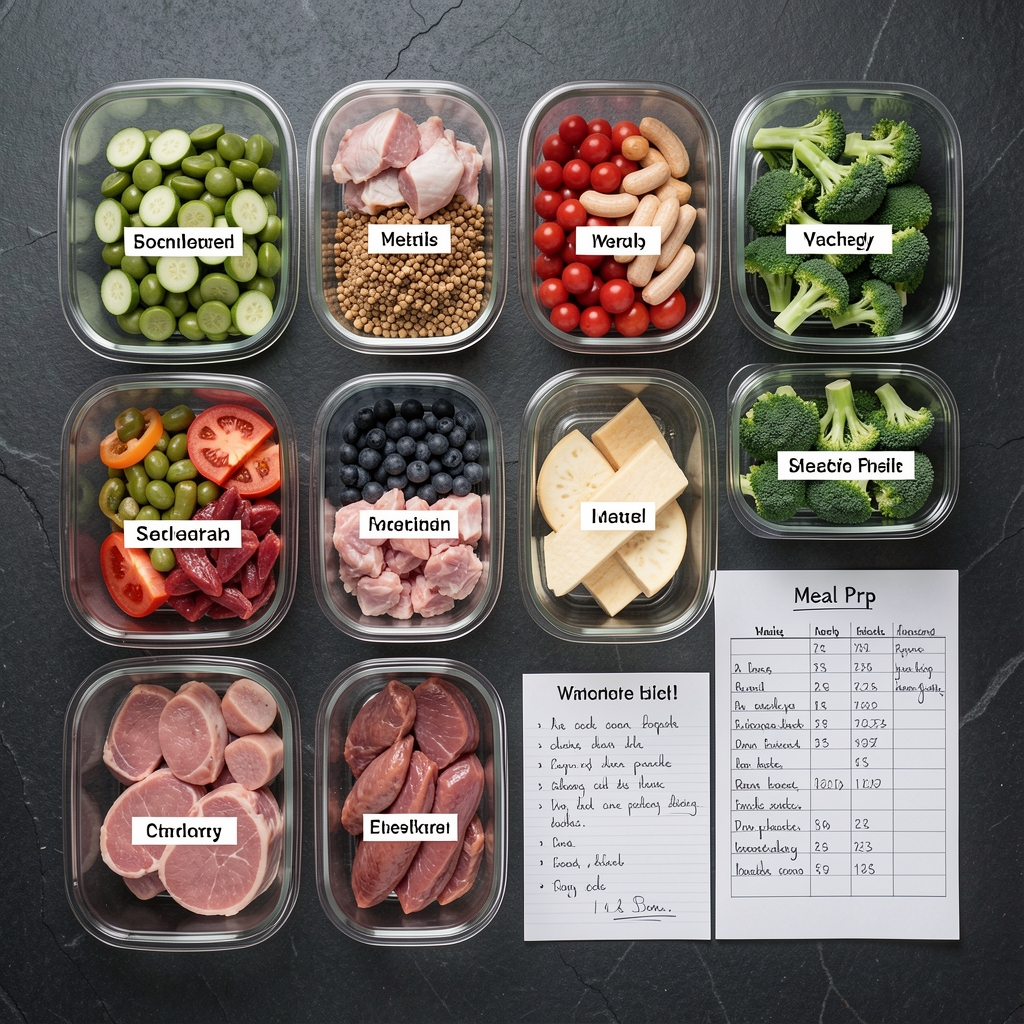
Six documented systems for the active male nutritional framework.
Protein Intake Architecture
Systematic analysis of daily protein requirements based on lean body mass, activity load, and recovery demand. Each assessment produces a documented intake range and source prioritisation list.
Macronutrient Calibration
Precise ratio modelling for carbohydrates, fats, and protein adjusted to the individual goal profile — muscle accrual, body recomposition, or sustained performance output. Iteration tracked across documented revision cycles.

Intermittent Fasting Frameworks
Structured fasting window analysis across established protocols. Assessment covers metabolic adaptation, energy substrate usage, and compatibility with strength-oriented training schedules.
Gut Health Optimisation
Dietary fibre composition review, fermented-food integration, and prebiotic sourcing. The gut microbiome's documented role in nutrient absorption and cognitive output receives independent attention within each protocol.
Sleep & Stress Nutritional Support
Specific dietary modifications for cortisol regulation, sleep-cycle nutrition, and mental health nutritional support. Magnesium, zinc, and omega-3 intake within a structured framework.
Plant-Based & Keto Variant Systems
A documented dual-track assessment for men pursuing plant-based protein frameworks or ketogenic carbohydrate restriction. Each variant is modelled against activity level, body composition targets, and long-form dietary adherence. Vitamin D3, B12, zinc, and magnesium sufficiency are verified against standard nutritional benchmarks.
Men's nutrition after 30 is a documentation problem, not a motivation problem.
Metabolic parameters shift after the fourth decade. Caloric deficit thresholds recalibrate. Protein utilisation efficiency requires re-examination. Healthy fats, omega-3 profiles, and micronutrient loading patterns change in their relative weighting.
The Tarloven system treats each individual's dietary landscape as a data set — not as a motivation challenge. Meal plan construction, sports nutrition baseline, and anti-aging nutrition principles are applied through a structured assessment record, not a generic template.
Ingredient profiles are selected based on published nutritional research and undergo independent batch verification for quality and labelling accuracy.
Read the Methodology
Documented micronutrient profiles in the Tarloven assessment framework.
Healthy eating for men over 30 requires systematic attention to micronutrient balance. The following variables receive independent tracking within each protocol.
Supports normal function of the immune system. Documented as underrepresented in adult male dietary profiles across temperate geographies.
Supports normal cognitive function and immune health. Intake commonly falls below recommended levels in high-volume training contexts.
Contributes to normal energy metabolism and reduces tiredness. A critical variable in sleep-cycle nutrition and stress-response food matrix composition.
Supports cardiovascular function and anti-aging cellular processes. Ratio of EPA to DHA is assessed individually against dietary composition.
Precise answers to documented common questions.